Commercial Solar In Perth,
Designed By Engineers
Commercial Power In WA Is The Highest It Has Ever Been
And The Cheapest It Will Ever Be.
Rising commercial power tariffs since 2018 and falling solar costs (now ~$1.10–$1.40/W) make solar a smart investment, with systems typically paying back in 2–4 years and delivering low-cost power long-term — especially for businesses that operate during the day.

Typical Payback
Most Perth commercial systems pay for themselves in 2–4 years and generate free electricity for the following two decades.
Daytime Self-Consumption
WA businesses consume more than 80% of their solar generation directly, avoiding low-value grid feed-in entirely.
On A 150kW System
A 150kW Perth system generates around 210,000 kWh/year — that's 210 LGCs a year, worth $8,400–$12,600 in additional revenue on top of the bill saving.
Three Tiers
Three Different Financial Cases
Commercial solar in Perth divides cleanly into three system sizes — each with its own approval pathway, certificate type, and financial logic. Pick the band that fits your roof and your bill, then talk to us about specifics.
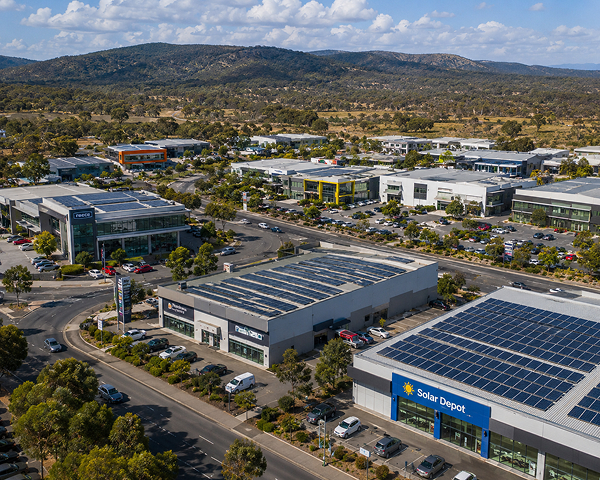
Small Business And SME
10kW To 39kW DC (30kVA AC)
Systems up to 30 kVA benefit from a simplified Western Power approval — no GPU, studies, or extra fees. A ~39 kW / 30 kVA setup fits this range, maximizes incentives, and typically pays back in 2–3 years.
Typical Install: 39kW DC, 30kVA Inverter, Optional 30–60kWh Battery
Approval Pathway: Streamlined Western Power Application, ~10 Days
Certificate: Federal STCs (One-Off, Applied As Upfront Discount)
Anchor Case Study: Saint Mary Coptic Church — Hospitality / Community
Indicative Roof Area: 200–300m² Of Unshaded Roof
Six Components
One Reliable System
A commercial solar system isn’t fundamentally different from a residential one — it’s the same six components, scaled up. The differences are in the engineering: three-phase wiring, larger string sizing, switchboard upgrades, and grid-protection devices for systems above 30 kVA. Here’s how the pieces fit together.
Solar Panels
Tier-1 panels are mounted on your roof or on a ground-mount frame. Panels convert sunlight into DC electricity. Regen Power installs only Clean Energy Council-approved panels — see our Solar Brands page for the six brands we use.
Inverters
DC-to-AC inverters convert solar output into the three-phase AC power your facility runs on. Larger systems use multiple inverters in parallel. We default to Fronius, Sungrow, and SMA inverters for commercial — bankable, locally serviced, and warrantied to ten years.
Switchboard & Metering
Most commercial buildings need at least a switchboard upgrade and a bi-directional meter to allow solar export. We complete this work as part of the install — it doesn't require a separate electrician.
Grid protection device (>30kVA only)
Western Power requires a Grid Protection Unit on systems above 30kVA AC. The GPU disconnects the system safely if grid conditions go out of spec. We supply, install, commission, and certify the GPU.
Battery storage (optional)
For sites with peak demand charges, a commercial battery shaves the demand peak — often paying for itself faster than the solar component does. We size and integrate batteries from Tesla, BYD, Sigenergy, and Alpha ESS.
Live Monitoring
Every Regen commercial install includes Solarlog-based monitoring with web and mobile dashboards. We track per-string yield, inverter health, and system uptime. See Section 7.
Six Components
One Reliable System
A commercial solar system isn’t fundamentally different from a residential one — it’s the same six components, scaled up. The differences are in the engineering: three-phase wiring, larger string sizing, switchboard upgrades, and grid-protection devices for systems above 30 kVA. Here’s how the pieces fit together.
Solar Panels
Tier-1 panels are mounted on your roof or on a ground-mount frame. Panels convert sunlight into DC electricity. Regen Power installs only Clean Energy Council-approved panels — see our Solar Brands page for the six brands we use.
Inverters
DC-to-AC inverters convert solar output into the three-phase AC power your facility runs on. Larger systems use multiple inverters in parallel. We default to Fronius, Sungrow, and SMA inverters for commercial — bankable, locally serviced, and warrantied to ten years.
Switchboard & Metering
Most commercial buildings need at least a switchboard upgrade and a bi-directional meter to allow solar export. We complete this work as part of the install — it doesn't require a separate electrician.
Grid protection device (>30kVA only)
Western Power requires a Grid Protection Unit on systems above 30kVA AC. The GPU disconnects the system safely if grid conditions go out of spec. We supply, install, commission, and certify the GPU.
Battery storage (optional)
For sites with peak demand charges, a commercial battery shaves the demand peak — often paying for itself faster than the solar component does. We size and integrate batteries from Tesla, BYD, Sigenergy, and Alpha ESS.
Live Monitoring
Every Regen commercial install includes Solarlog-based monitoring with web and mobile dashboards. We track per-string yield, inverter health, and system uptime. See Section 7.
Six Industries Where Commercial Solar
Pays Back Fastest In WA.

Manufacturing & Cold Storage
High continuous daytime load; power-factor charges; refrigeration that never sleeps. Solar offsets the highest-cost tariff blocks.
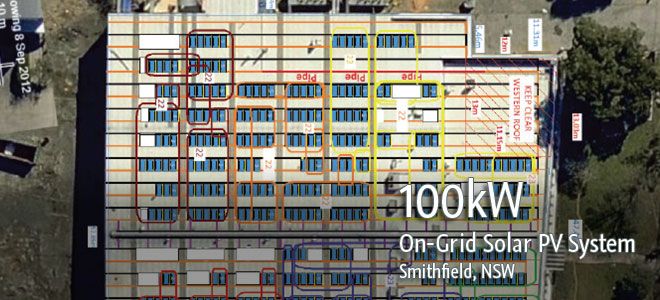
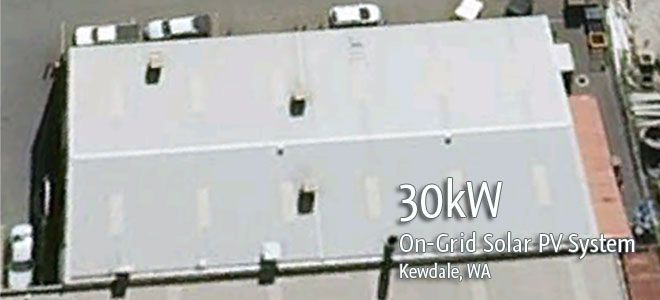
Smithfield Manufacturing, Kewdale Industrial

Hospital & Accommodation
Air-conditioning, kitchens, laundries running through the warmest hours of the day. Demand peaks at lunchtime — perfect solar match.
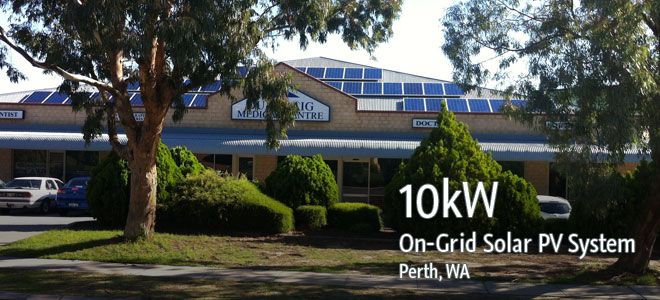
Perth City YHA, Saint Mary Coptic Church Hall

Healthcare & Medical
24/7 operation, high HVAC load, sensitive equipment. Solar with battery backup reduces both running costs and outage risk.
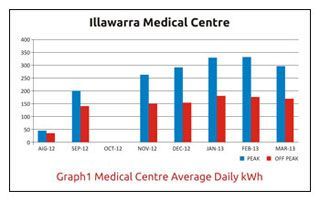
Illawarra Medical Centre

Retail & Shopping Centres
Trading hours align with solar peak. Multi-tenancy buildings can split solar between common areas and tenants.
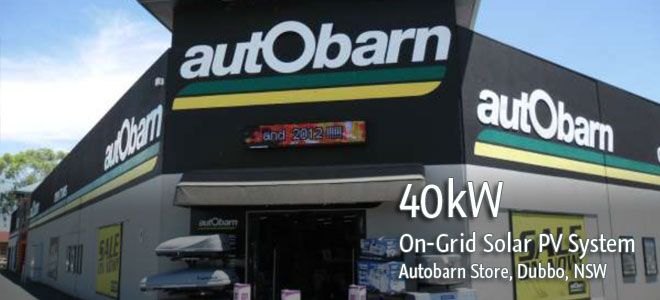
Duncraig Retail, Dubbo Retail

Education & Community
Schools, churches, community halls — daytime occupancy, fixed budgets, ESG mandates. Battery shifts production into evening events.
Saint Mary Coptic Church

Agribusiness & Rural Enterprise
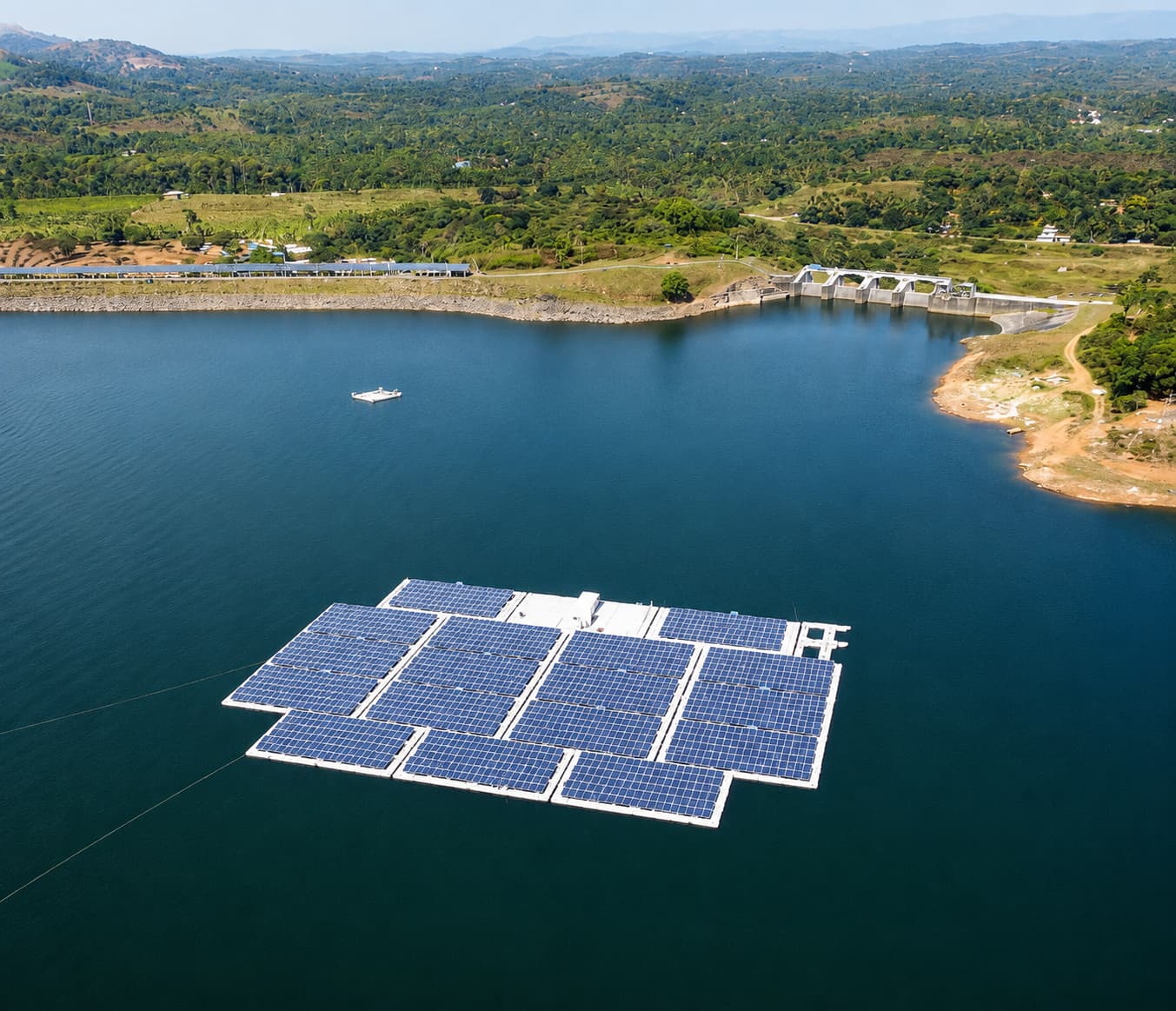
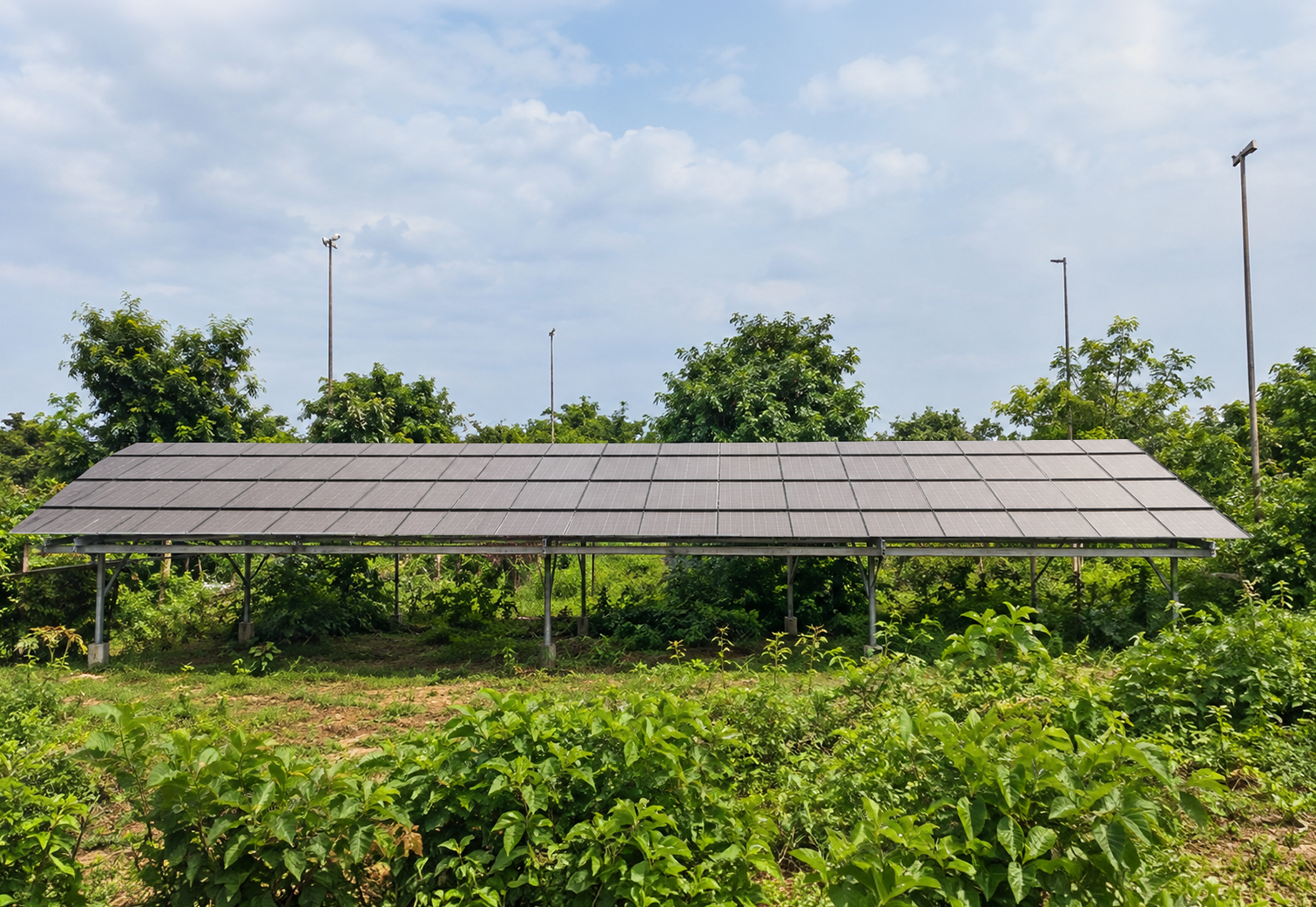
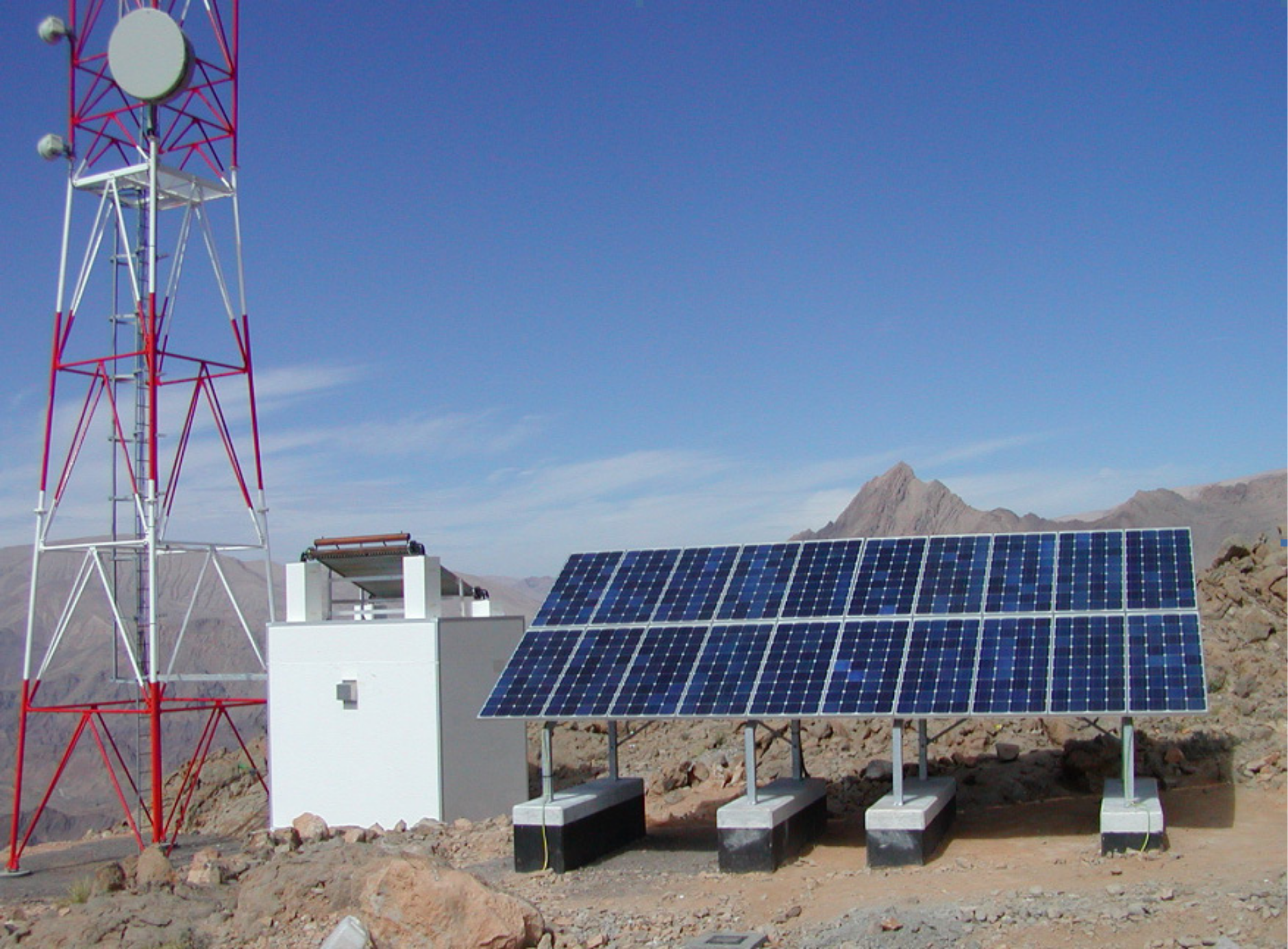
Pumping, dairy, packing sheds, marron farms, vineyards. Often combined with off-grid microgrid.
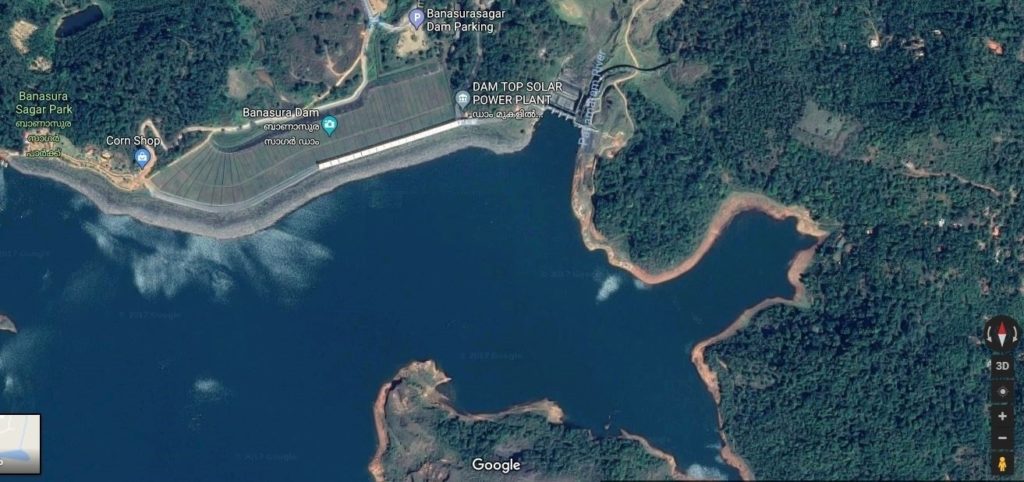
Banasurasagar Reservoir; Agricultural Off-Grid Case Studies
Six Commercial Installs
Six Different Briefs
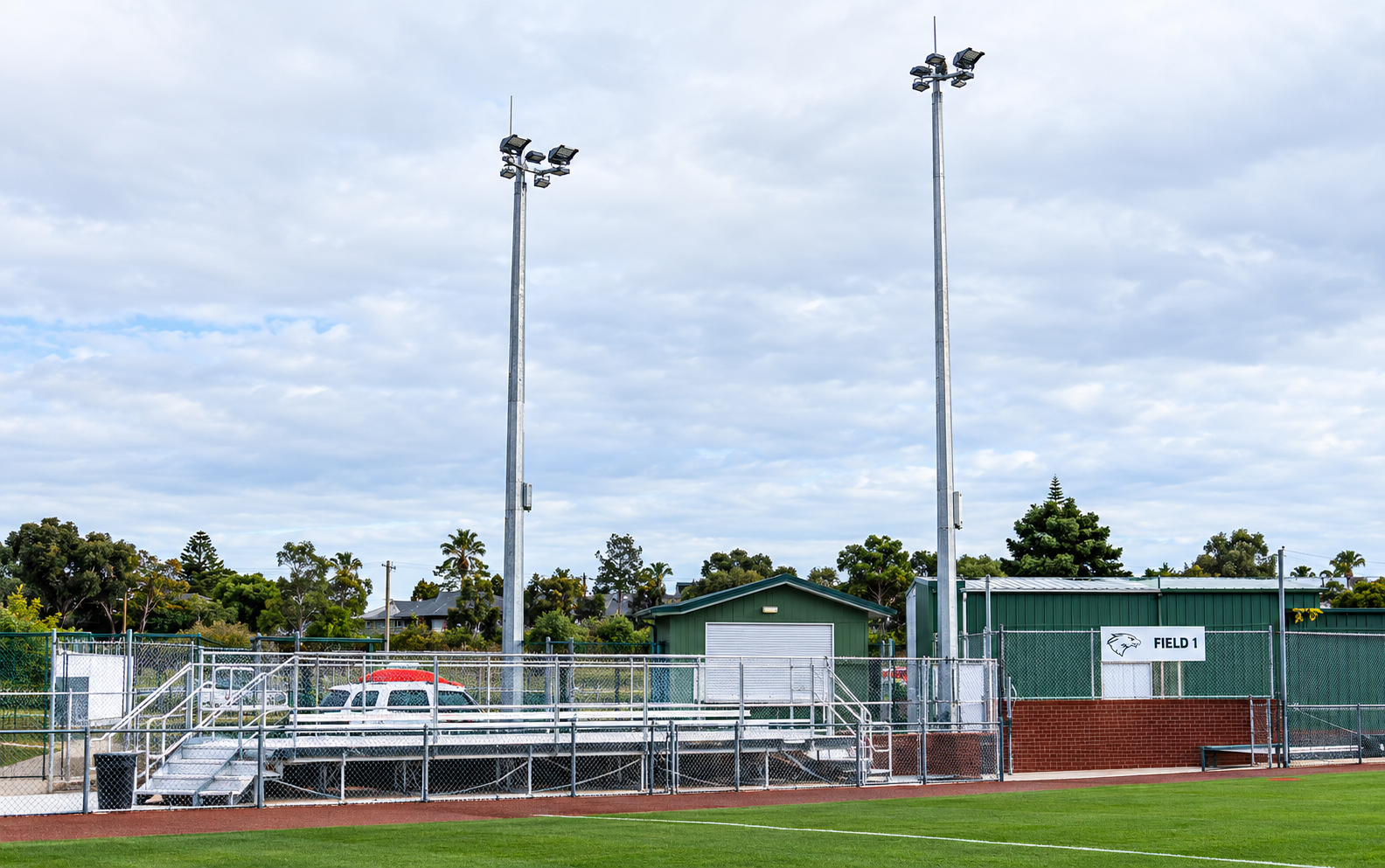
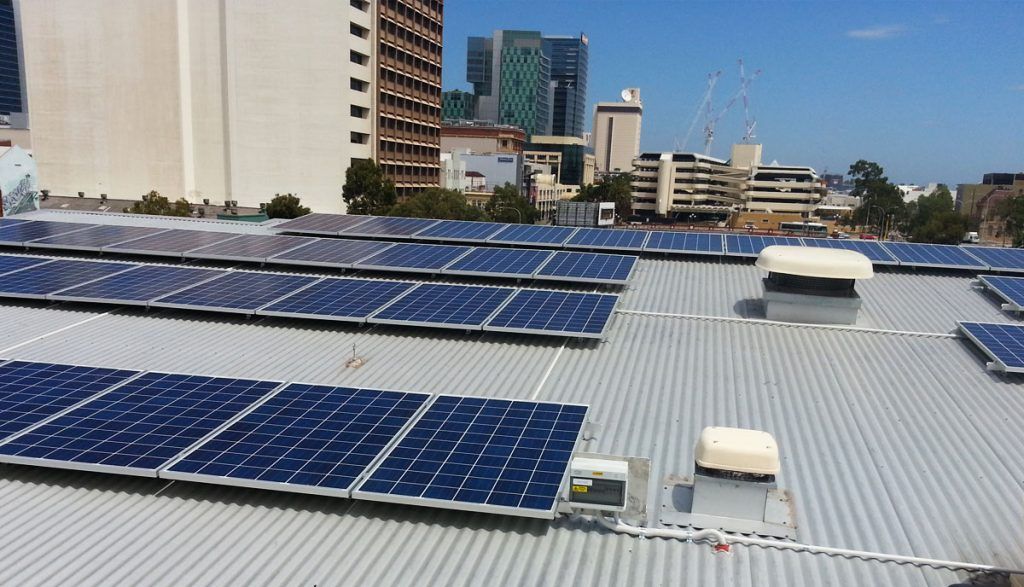
The fastest payback in WA commercial solar comes from businesses whose operating hours line up with peak solar generation — roughly 9am to 4pm. These six industries are where we’ve installed the most systems and seen the strongest results.
We Watch Your System
So You Don’t Have To
Every commercial install we complete ships with Solarog-based monitoring. The web and mobile dashboard tracks per-string yield, inverter health, system uptime, and CO₂ offset in real time.
If something goes wrong — a string falls offline, an inverter throws a fault, performance drops below modelled output — we see it before you do. Full-service maintenance contracts are available; talk to us about coverage.
Three Federal Incentives That Stack With Your
Commercial Install
Federal incentives reduce the upfront cost of commercial solar significantly — but only if you understand which ones apply at your system size. Here are the three that matter in WA in 2026.
Small-Scale Technology Certificates (STCs)
Systems up to 100 kW
Federal STC Value
$35–$40 per certificate, calculated on expected production through 2030 — worth roughly $300–$500 per kW installed in 2026, depending on the deeming year.
How You Receive It
Upfront discount on your invoice. We claim and assign the STCs as part of the project.
Large-Scale Generation Certificates (LGCs)
Systems above 100 kW
LGC Market Value
1 LGC per MWh produced. Currently $40–$60 per LGC, traded on the open market. A 150 kW Perth system creates ~210 LGCs/year — $8,400–$12,600/year of additional revenue.
How You Receive It
Ongoing revenue stream until 2030. Requires LGC accreditation; we manage the registration.
Instant Asset Write-Off
Eligible businesses (turnover threshold applies)
Tax Benefit
Full deduction in the year of purchase rather than depreciated over 10–15 years.
How You Receive It
Tax-time benefit. Confirm eligibility with your accountant — thresholds change annually.
Nine Steps From
First Call To Handover
Commercial solar isn’t a product — it’s a project. The right design depends on roof type, electrical infrastructure, load profile, tariff structure, available rebates, and operational constraints. Here’s the process we run from your first call to system handover.
Step 1
Five Things You Only Get From
A 23-Year Engineered Installer
Most Perth commercial installers are sales businesses with a contracted install crew. We’re an engineering business with our own electricians, our own R&D, and our own IP. Here’s how that shows up on a project.
Engineering Depth — Not Just Sales
Prof Chem Nayar holds the international patent (PCT/AU2011/001068) behind Regen’s HybridGEN technology, with off-grid systems deployed across Australia and the Asia-Pacific region.
In-House Electricians, Not Labour-Hire
EC9676 licensed Regen electricians install Regen systems. Same team, same standard, every project. No surprise subcontractor on the day.
Tier-1 Only, No Budget Substitution
Six panel brands and four inverter brands, all CEC-approved. We don’t switch components at install day to a cheaper equivalent.
Full Rebate And Paperwork Management
STCs, LGCs, Western Power application, GPU certification, Synergy/Horizon connection, DEBS feed-in registration, building permit. All submitted by our Canning Vale office.
23 Years And Still Answering The Phone
When you call us in 2035 about a tariff change or an inverter warranty claim, the business answering will be the same one that installed the system. Six consecutive ProductReview awards say we’re good at that.
FAQ
Entries
Frequently Asked Questions
It depends on your daytime load and your roof. As a starting point: a small office with 10–15 staff might fit a 15–25kW system; a manufacturing or cold-storage facility might justify 100kW+; a multi-tenancy retail centre often runs 50–100kW per common-area meter. Our energy assessment uses 12 months of bills to size correctly.
Tell Us About Your Facility
We Will Come Back With A Number
A commercial energy assessment is free and takes about 30 minutes — most of it on a screen-share with your last 12 months of Synergy or Horizon bills. We'll come back inside a week with a sized system, a rebate-applied price, and a payback projection your accountant can model. Or call our commercial team directly on 1800 073 436.